Level Up - Revamp
Client: Level Up
Client: Level Up
Feb 2022 - Mar 2022
Figma, Adobe Premiere, After effects, Illustrator
Figma, Adobe Premiere, After effects, Illustrator
Project Overview
Level Up provides gamified psychometric test for children age 5-15 to help parents understand their child better. After gathering some user feedback from their users, Level Up decided to collaborate with students from General Assembly to re-look into the user experience and journey of their product.
Target Audience: Parents & Children of age 5-15 yo
My Role
The Brief & Problem
Upon receiving the brief, the client mentioned that feedback from the existing users were not very well received. Therefore they engaged game developer, copywriter and artist to produce a 3D version for a more immersive experience. We were told to assist in the UI design of the new upcoming 3D gamified psychometric test.
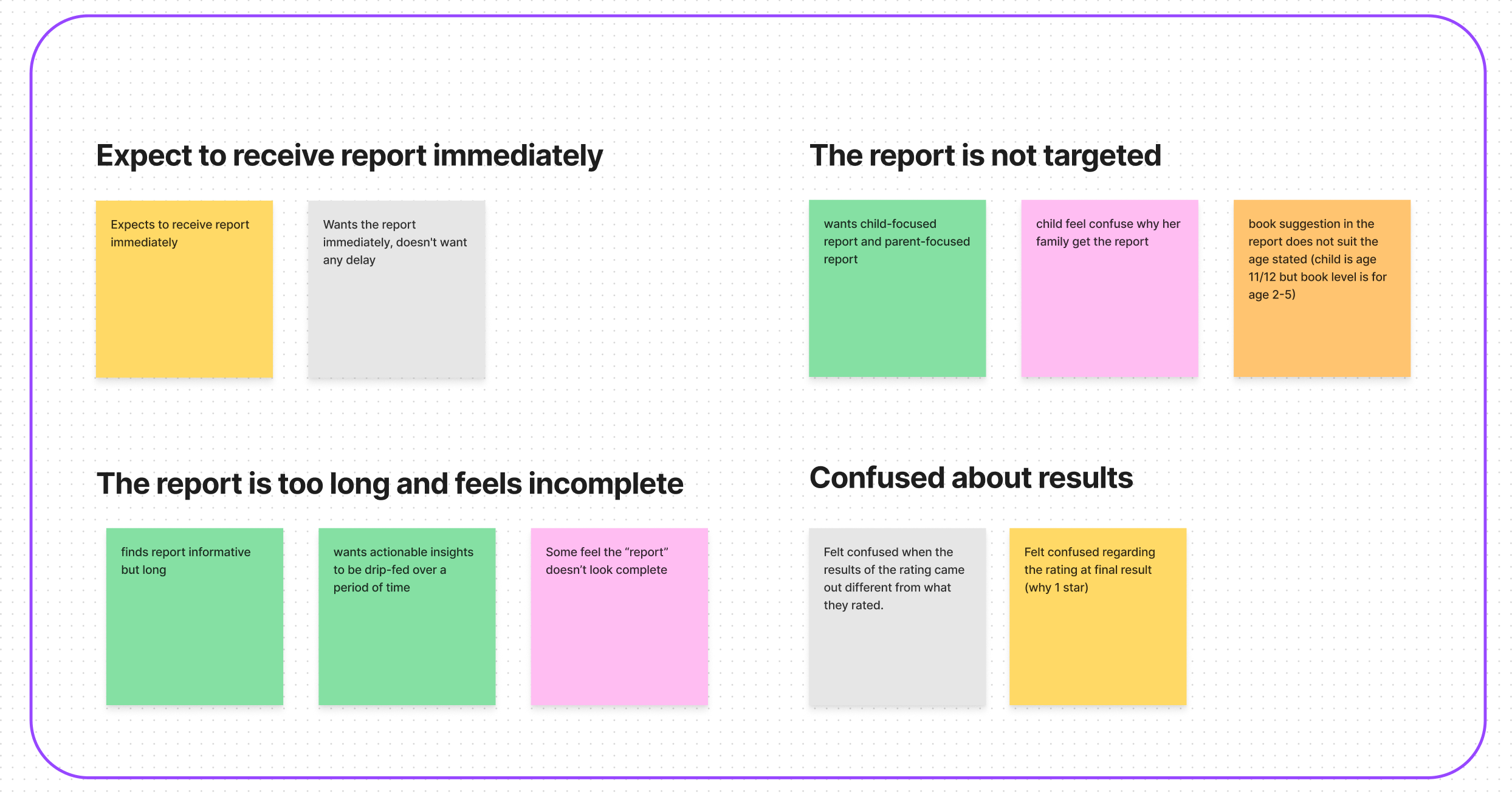
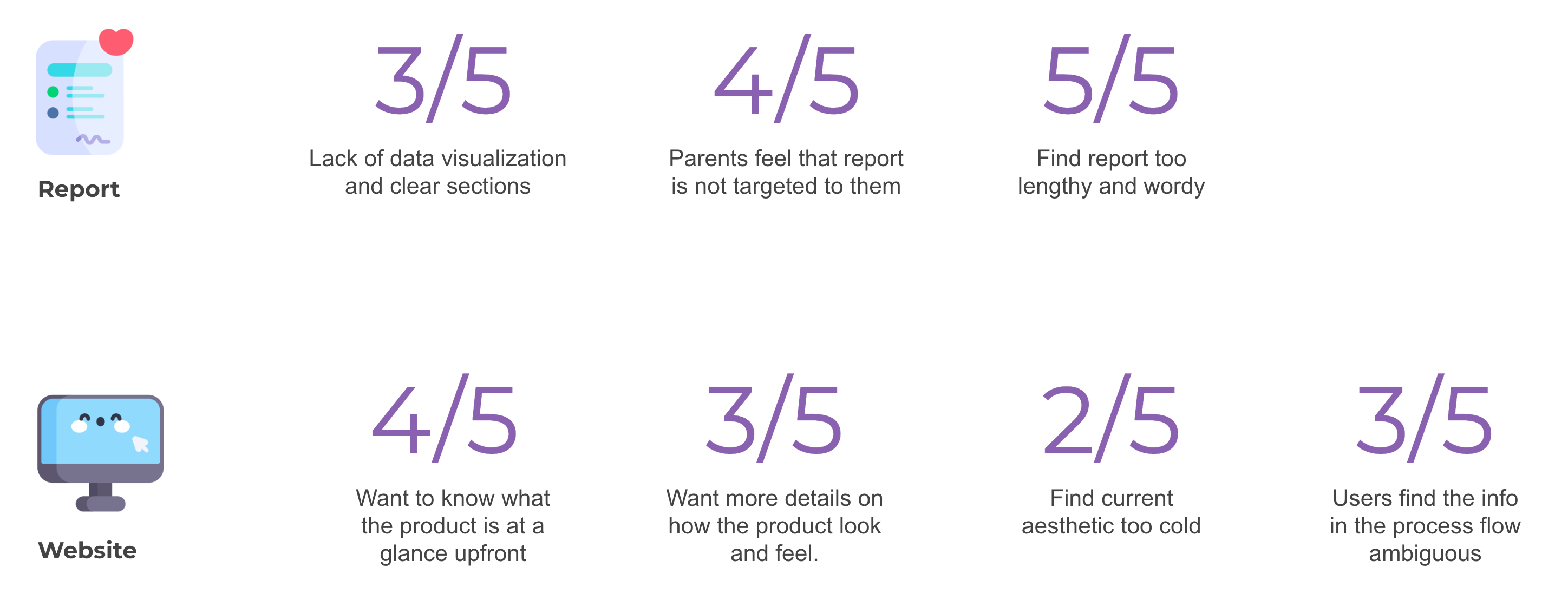
Wanting to understand the problem before we start, we requested for the previous UT results they collected to synthesize. Based on past user data, parents encounter pain points with test report such as uncertainty over the target audience of the report and lengthy info. Hence, there is a need to focus on the parent’s user journey.
Scope - Rationale
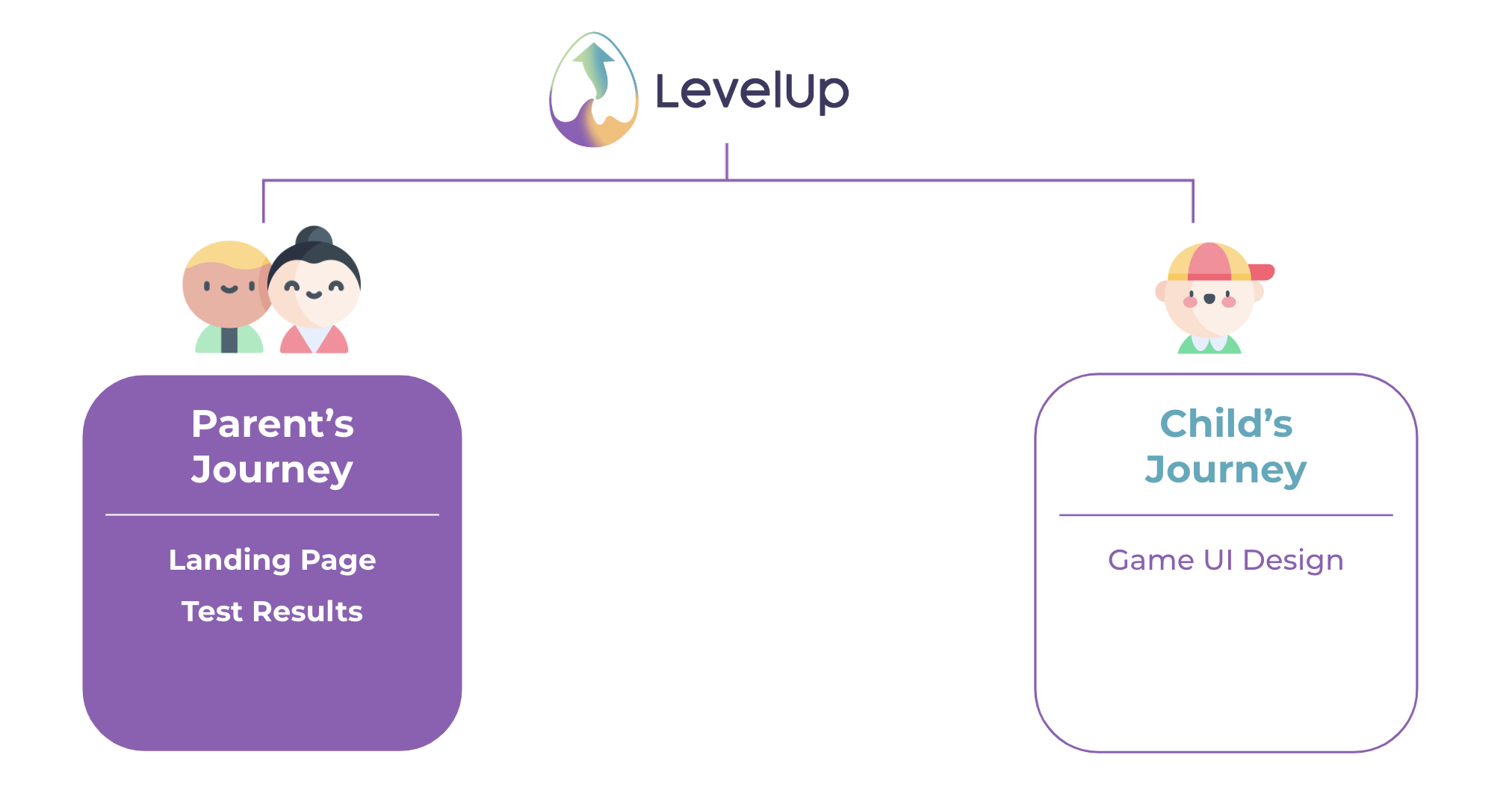
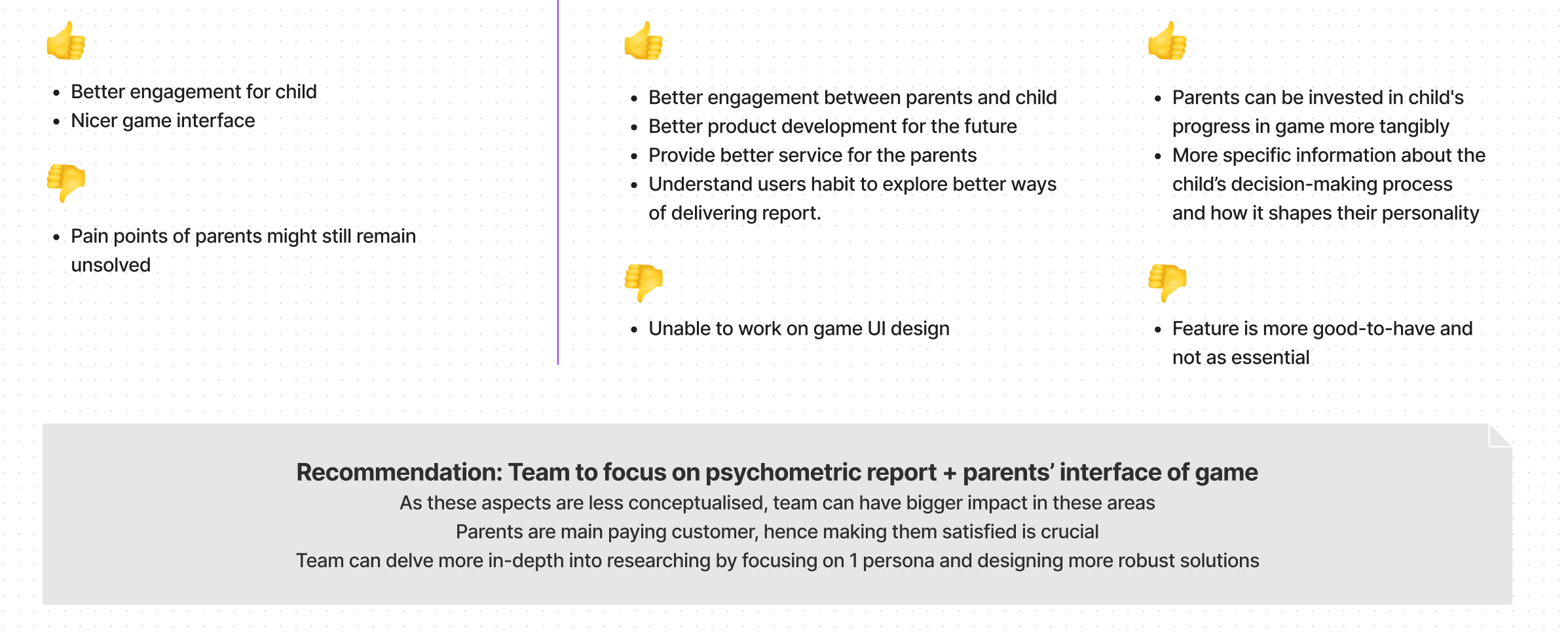
We listed the pros and cons and proposed to the client that we should work on the Parents’ journey because:
- Parents’ journey is less conceptualised, so team can make bigger impact
- Parents are main paying customers, so making them satisfied is crucial
- By focusing on 1 persona, team can delve deeper and design more robust solutions
Design Process
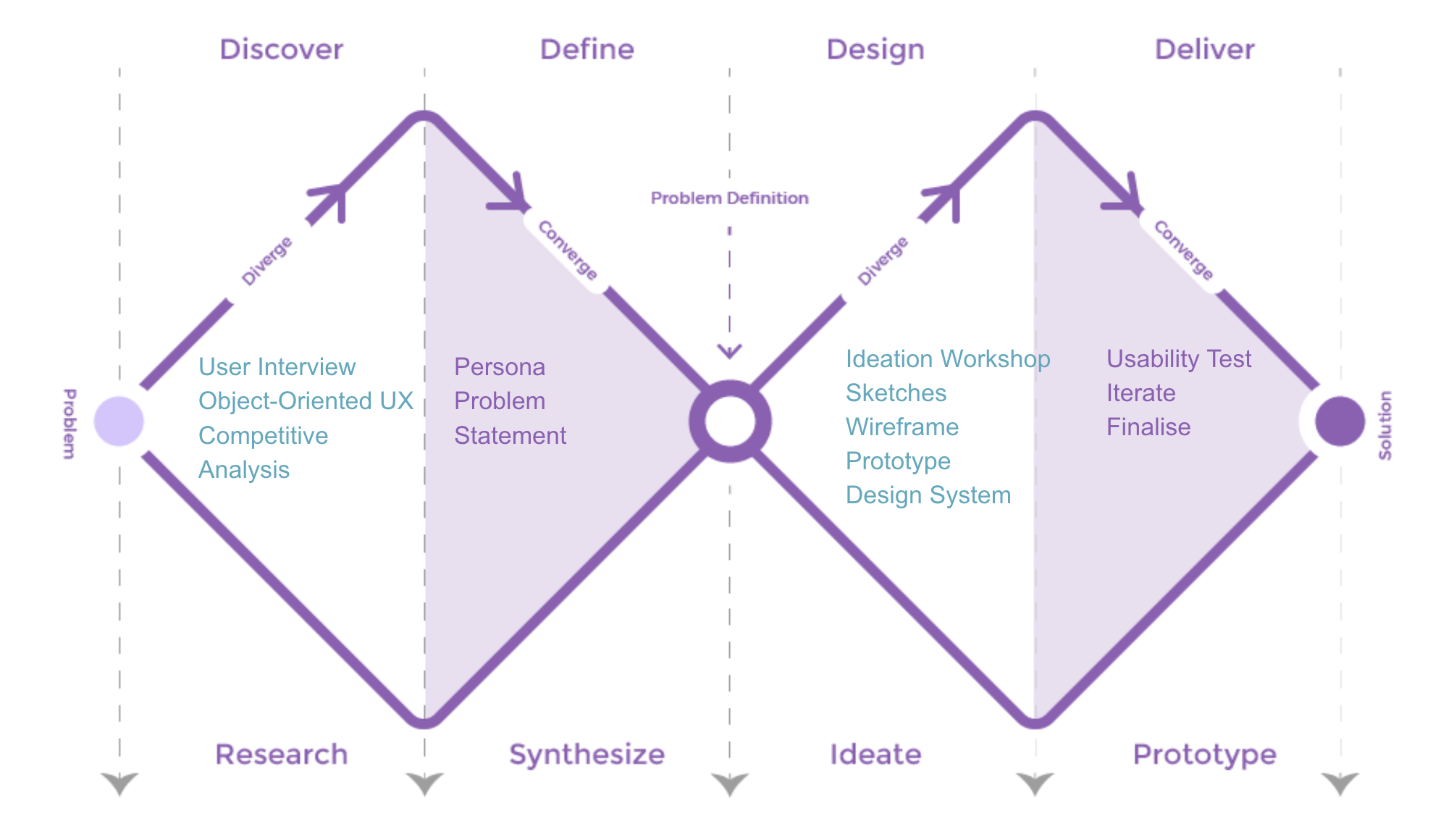
The usual double diamond approach was used in this whole process.
01
User Interview - Objective
To find out the needs, desires and pain points of parents through their entire journey from landing on the website to receiving the results at the end. This user interview allows team to deep dive and pursue salient topics that surface during conversations for more insightful findings.
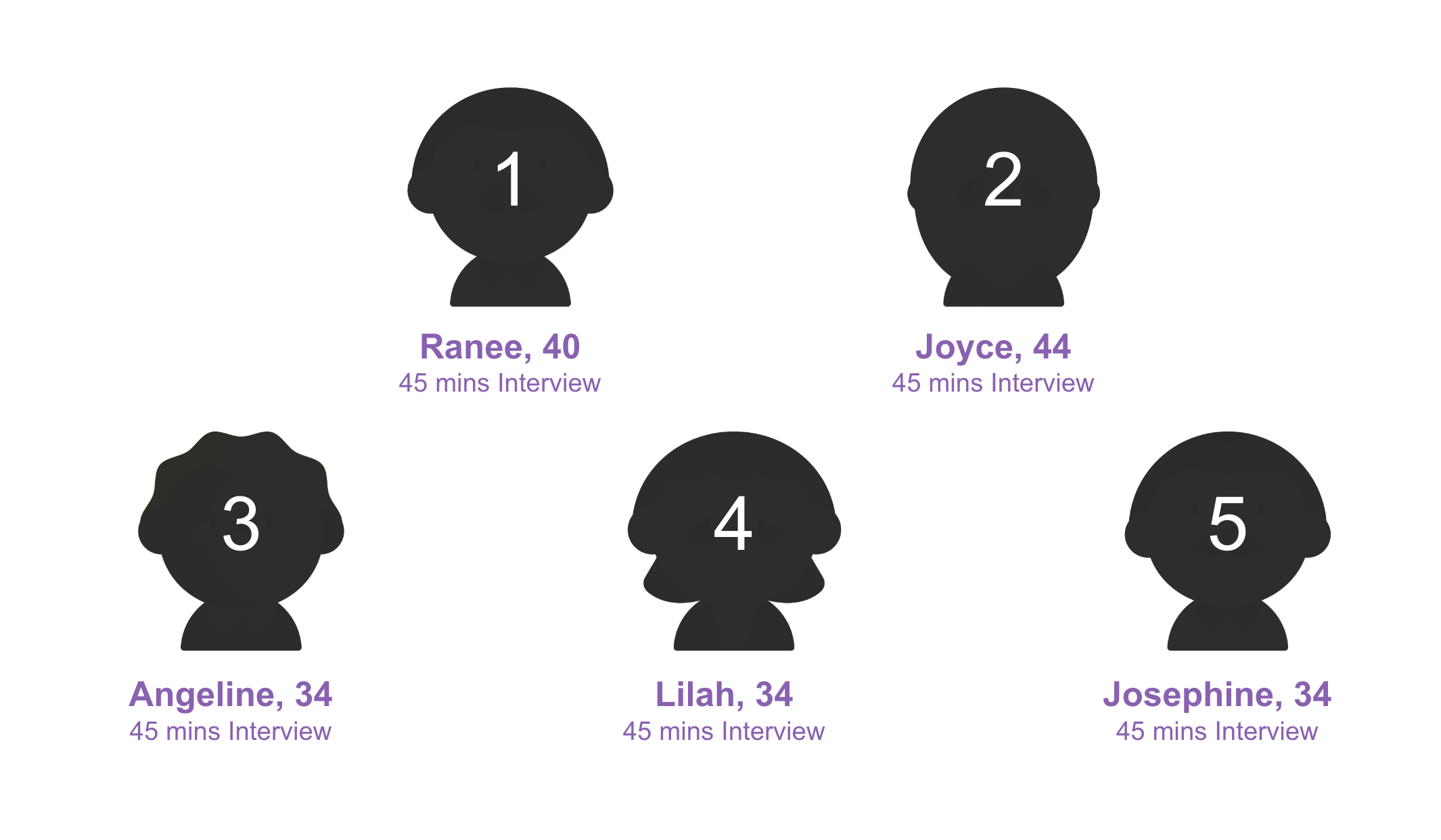
︎ The Target Group
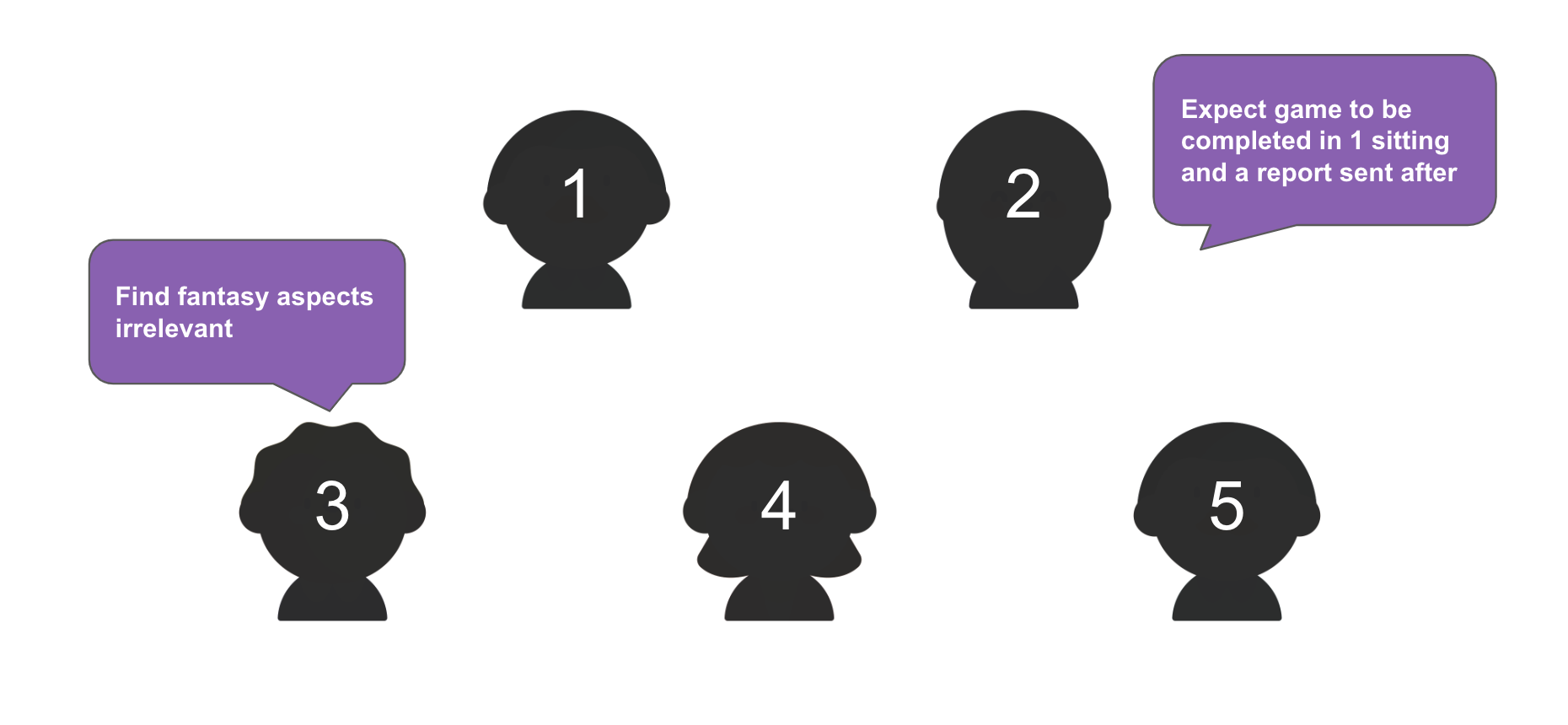
︎ Notable findings
02
Problem Statement
Psychometric Report
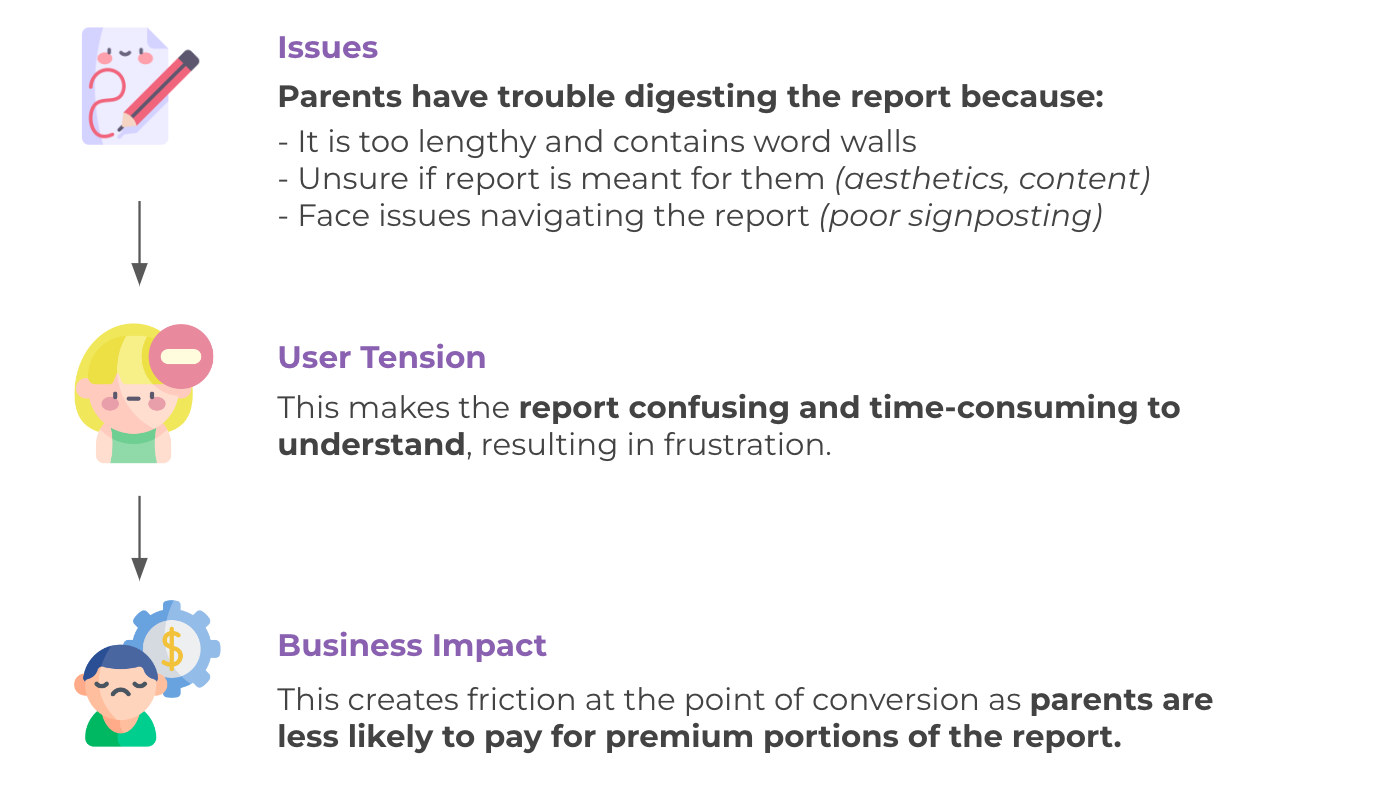
How Might We
1
Make the report more digestible while retaining the rigour and accuracy of information
2
Signpost the report better to help parents navigate more easily
3
Reframe the report to cater
to parents
Website
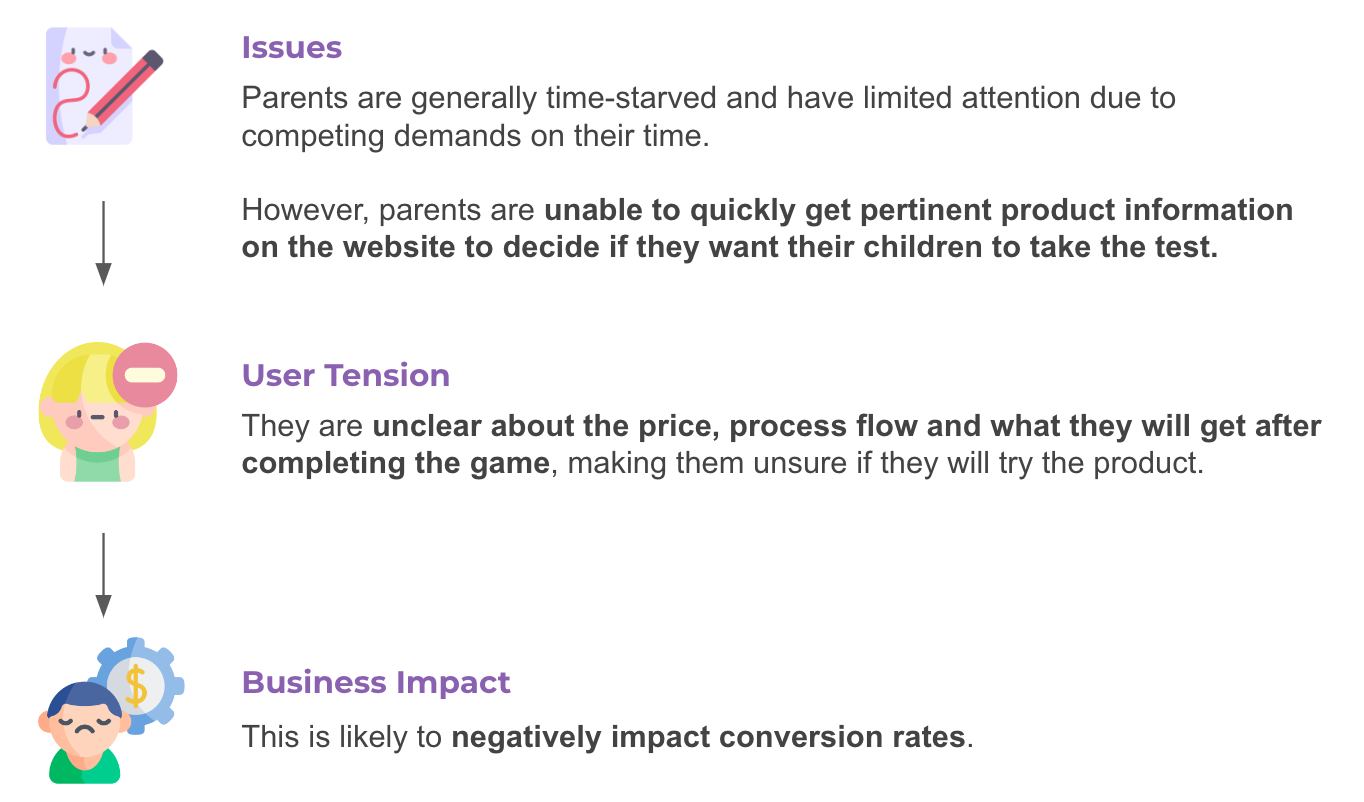
How Might We
1
Convey important product info to parents?
2
Highlight the value proposition of the product?
03
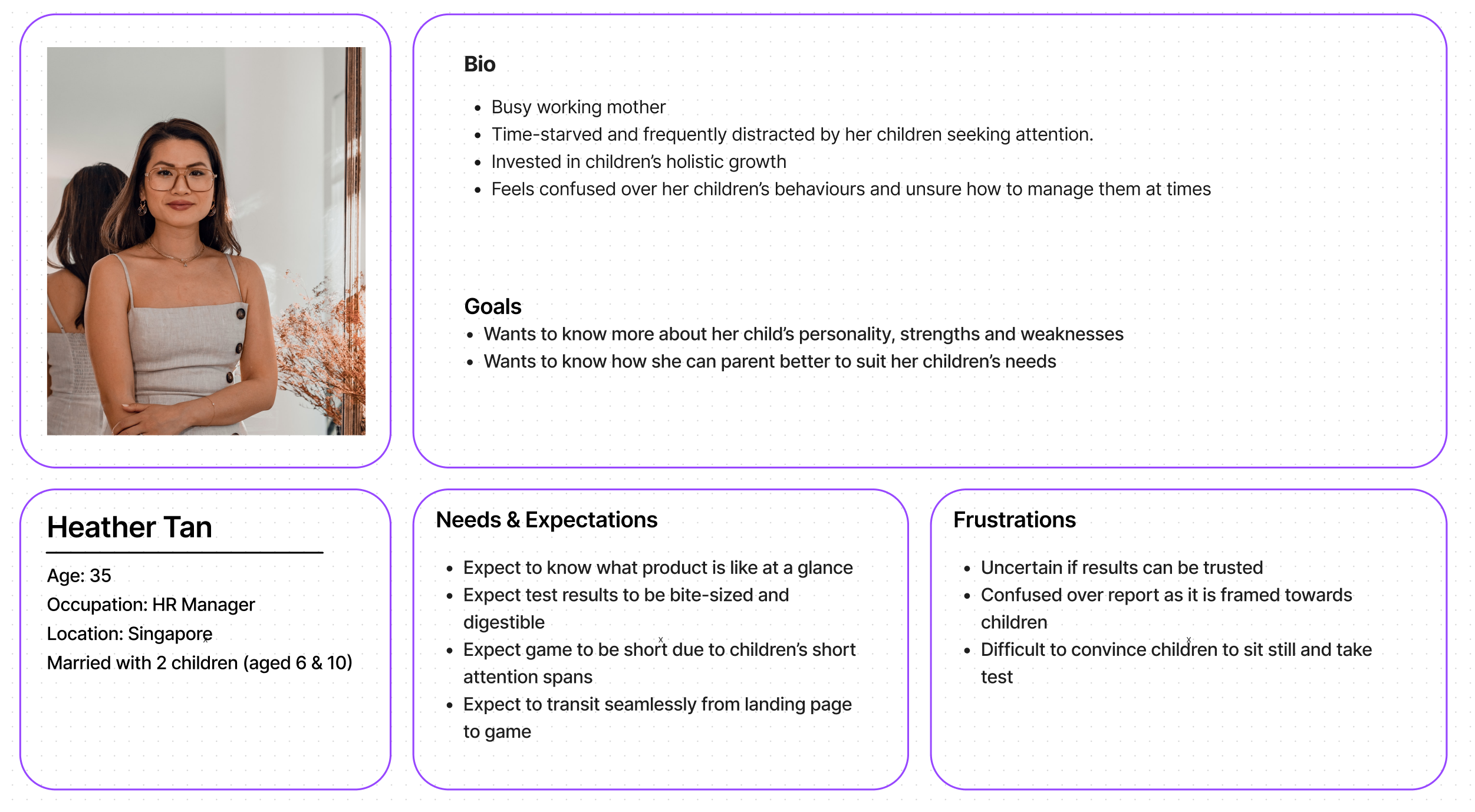
Persona - Synthesised from Findings
The time-starved parent who wants the best for her children
04
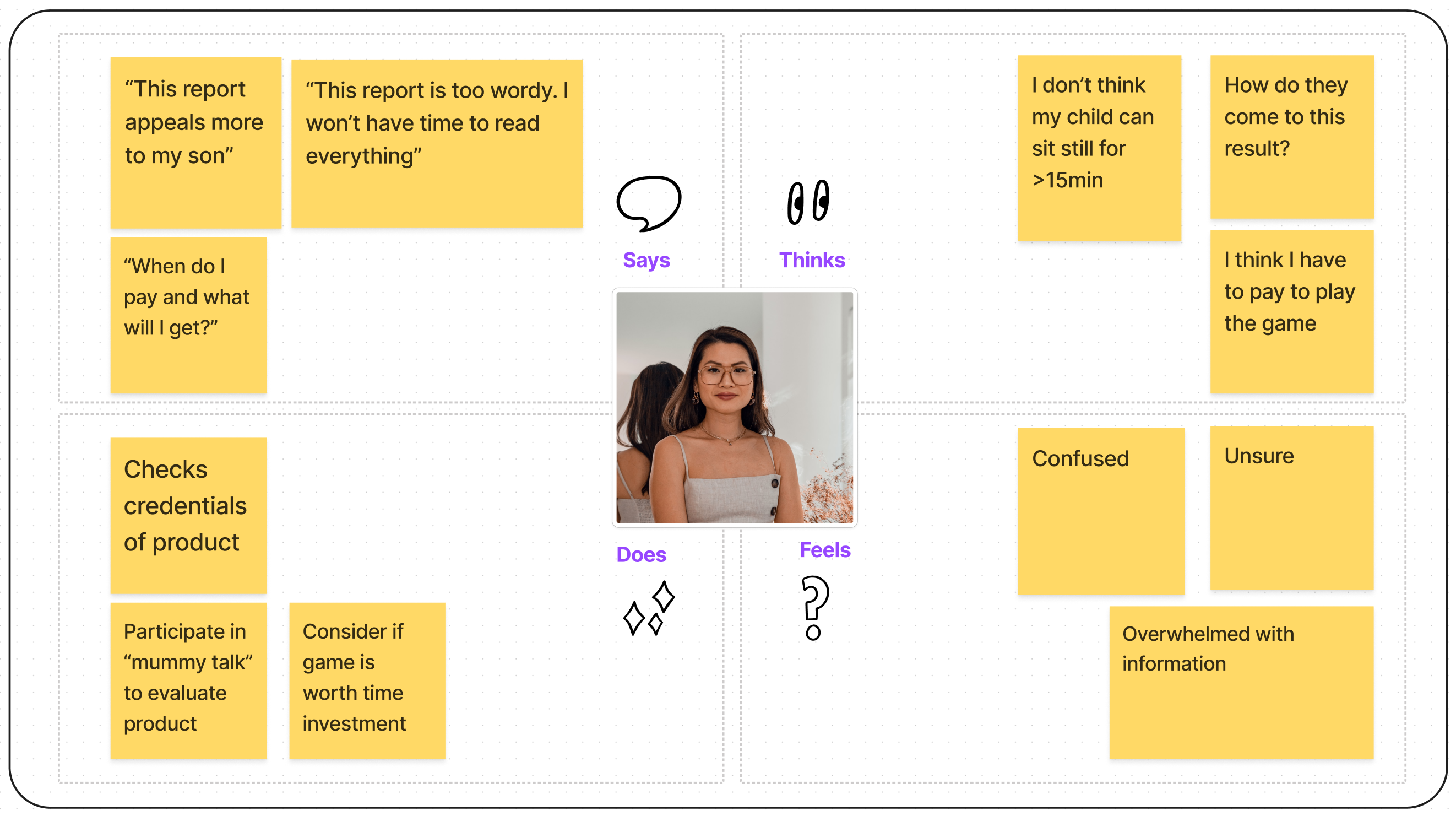
Empathy Map
Summary of Pain Points
06
Design Workshop
Ideation Workshop - Mash Up
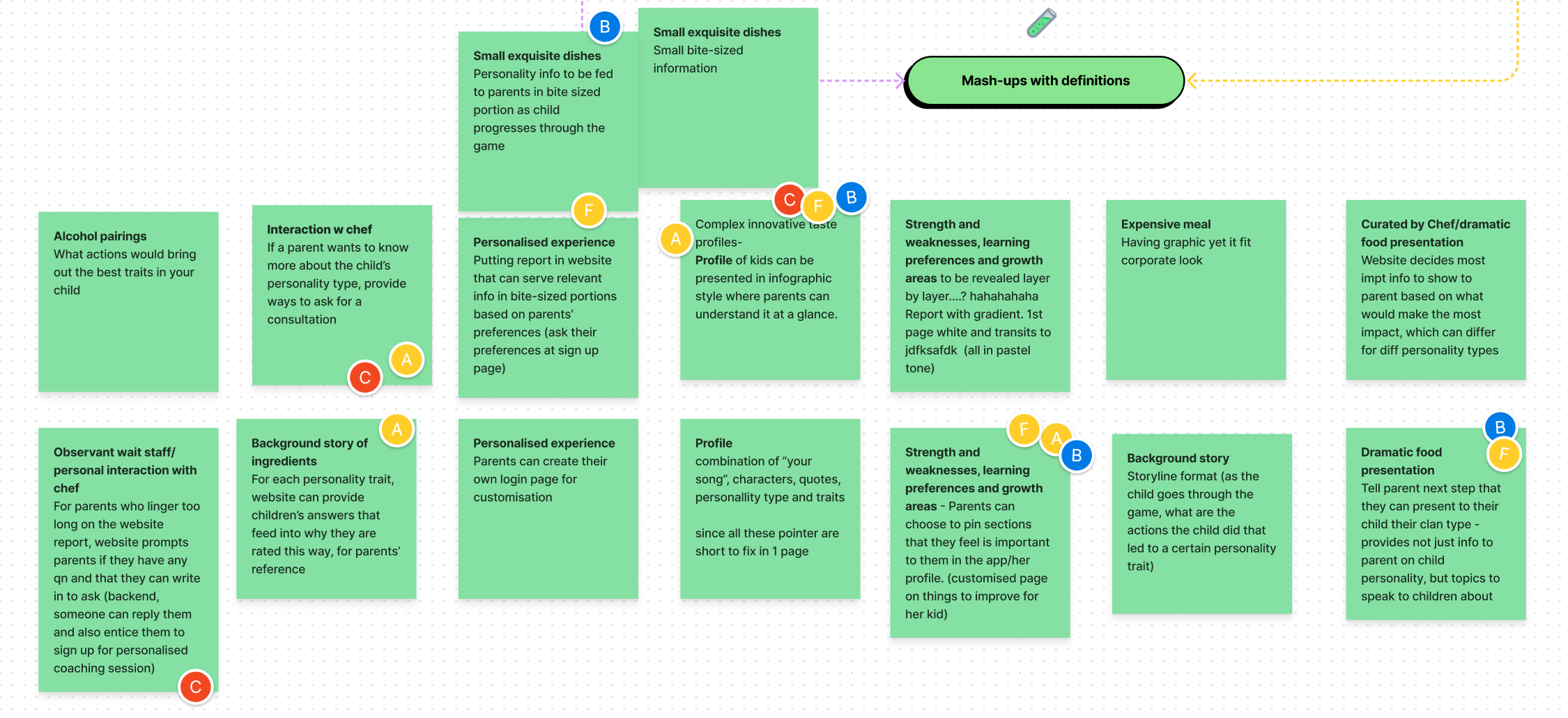
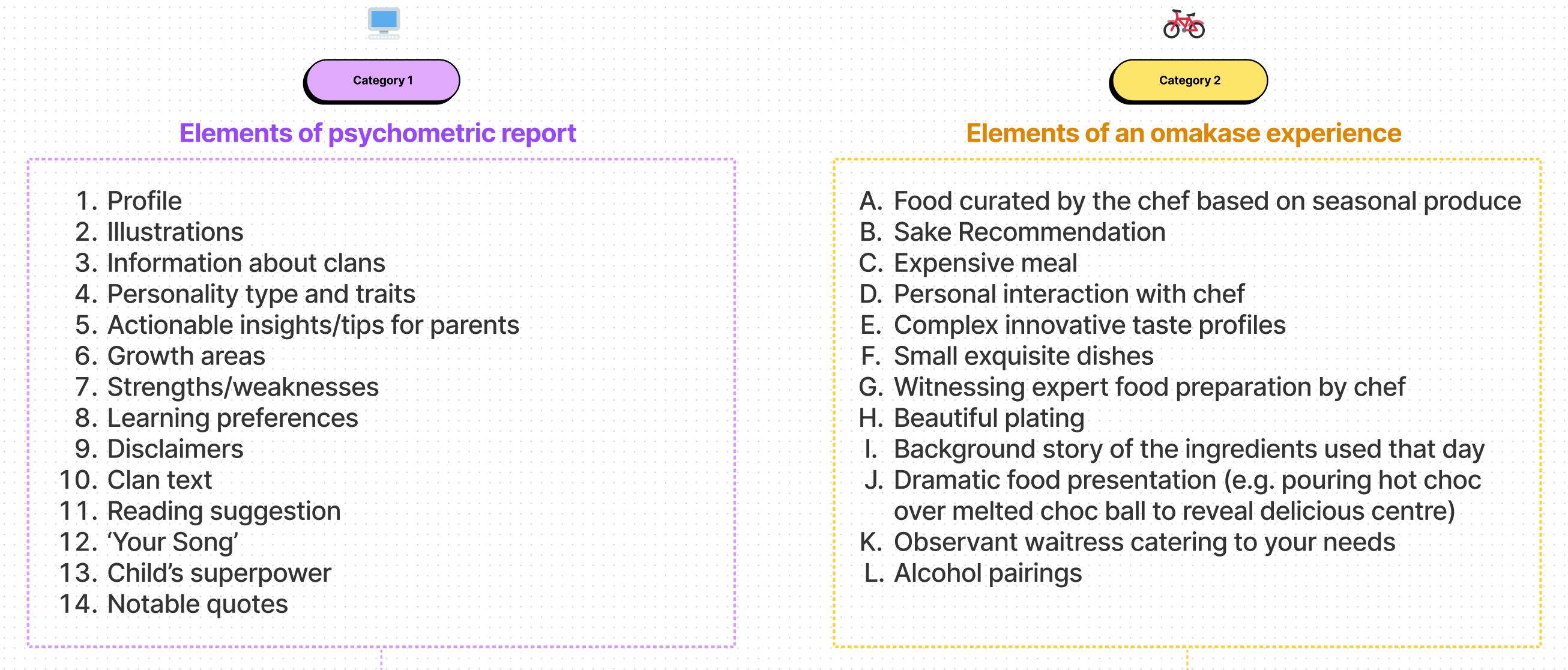
How does Mash Up work? In Mash Up workshop, we combine our problem space with an unrelated category to generate ideas. After many rounds of conversation with our client, we understand that a lengthy report is their USP. Our client stood firm on not giving their users a sub-par report as they feel that it is what they will need to understand their child more. They believe a detailed report is what differentiate them from the many psychometric test available out there. Similar to omakase, they both believe in the quality of the product.

LevelUp
Problem Space
HMW make the report more digestible while retaining the rigour and accuracy of information?
︎
︎

Unrelated
Category
Omakase Experience
(Omakase - “Leave it all to you”)
Elements, ideation & Votings
07
Design
New Features Implemented
Challenge: To sustain engagement over multiple sittings of a 3-hour game, hence team designed user flow and prototype based on this instead of 20-min video game
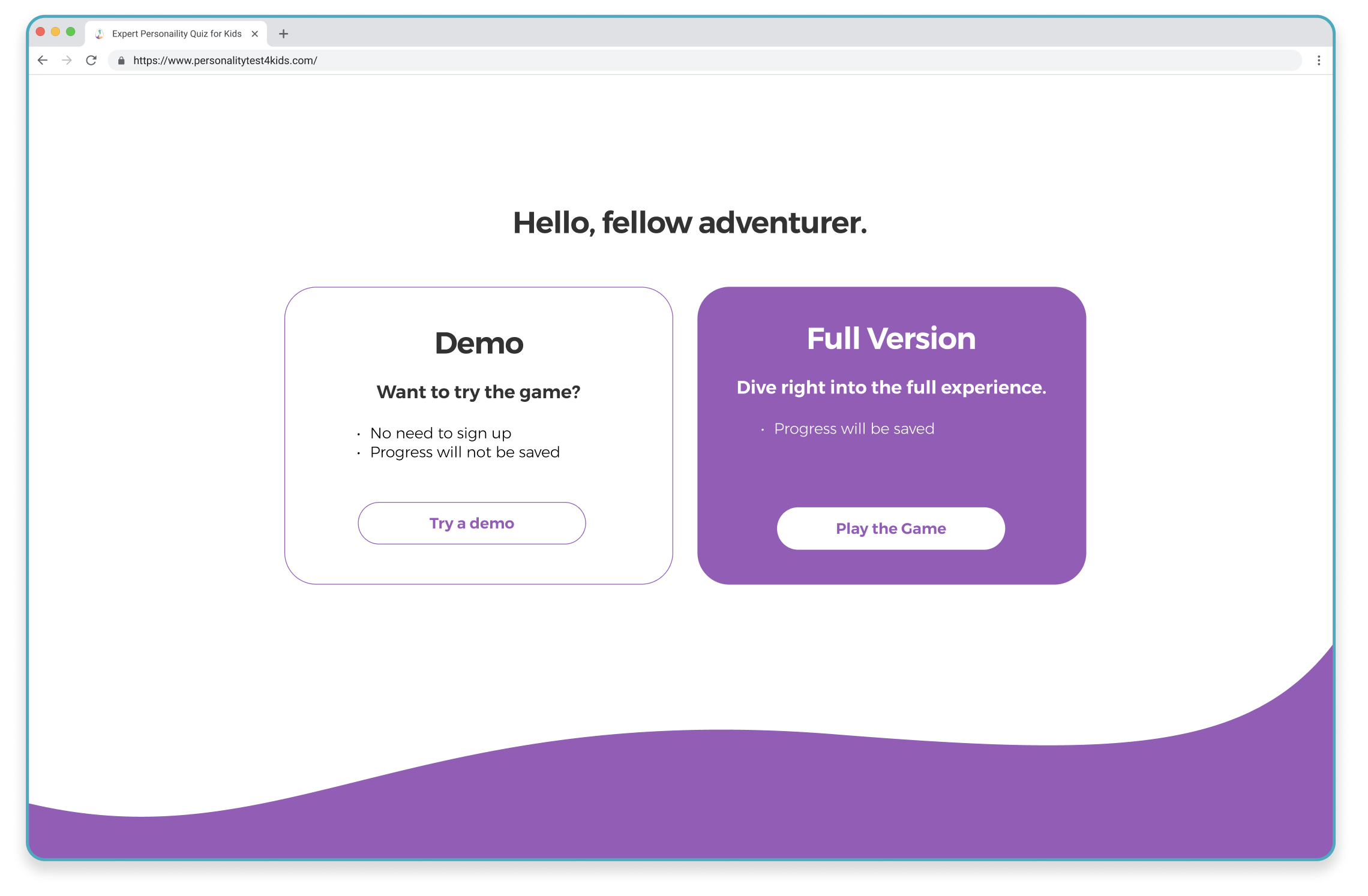
Demo
- As signing up could be pain point, we provide option for users to play a demo
- For demo version, the game will not be saved. They will need to sign up for an account
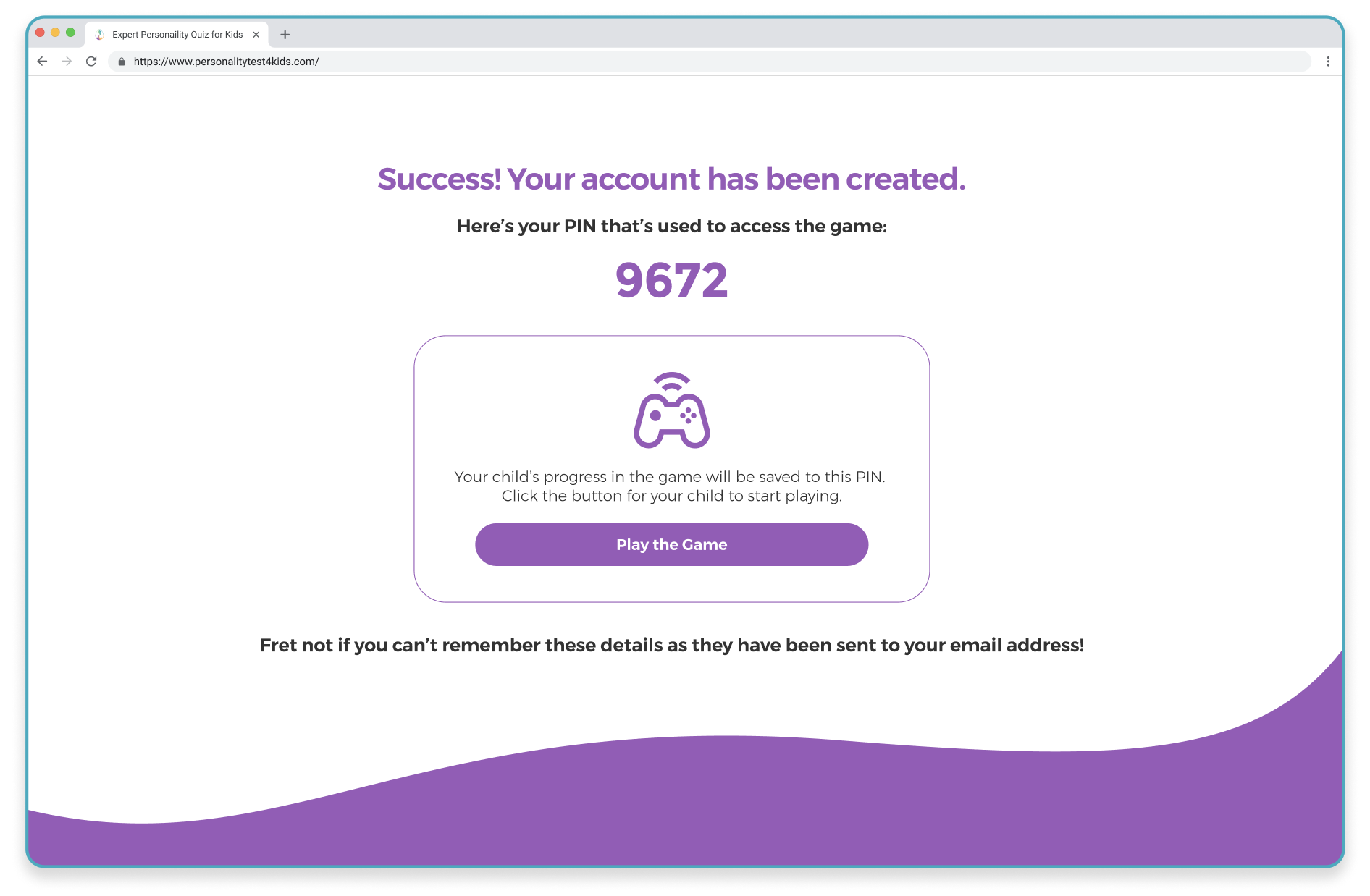
Game Pin
- When parents sign up, they will be given a game pin, where their child’s game progress will be saved to.
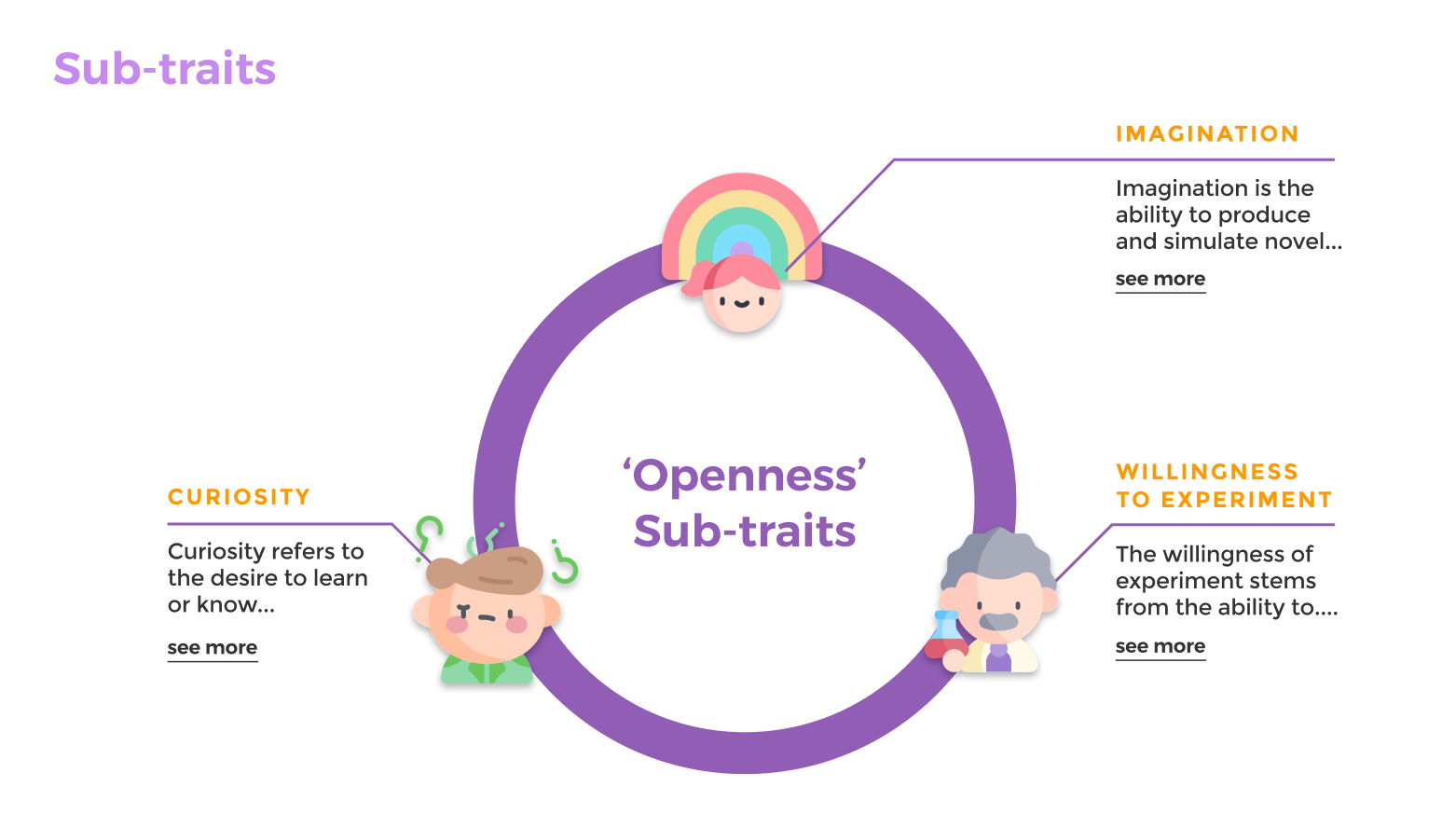
Sub-trait
- Due to long game duration, essential
to sustain engagement with parents - There are subtraits embedded within
each trait that can be collated even
before child completes game - Hence as child progresses through the game, subtraits info will be collated and emailed to parents
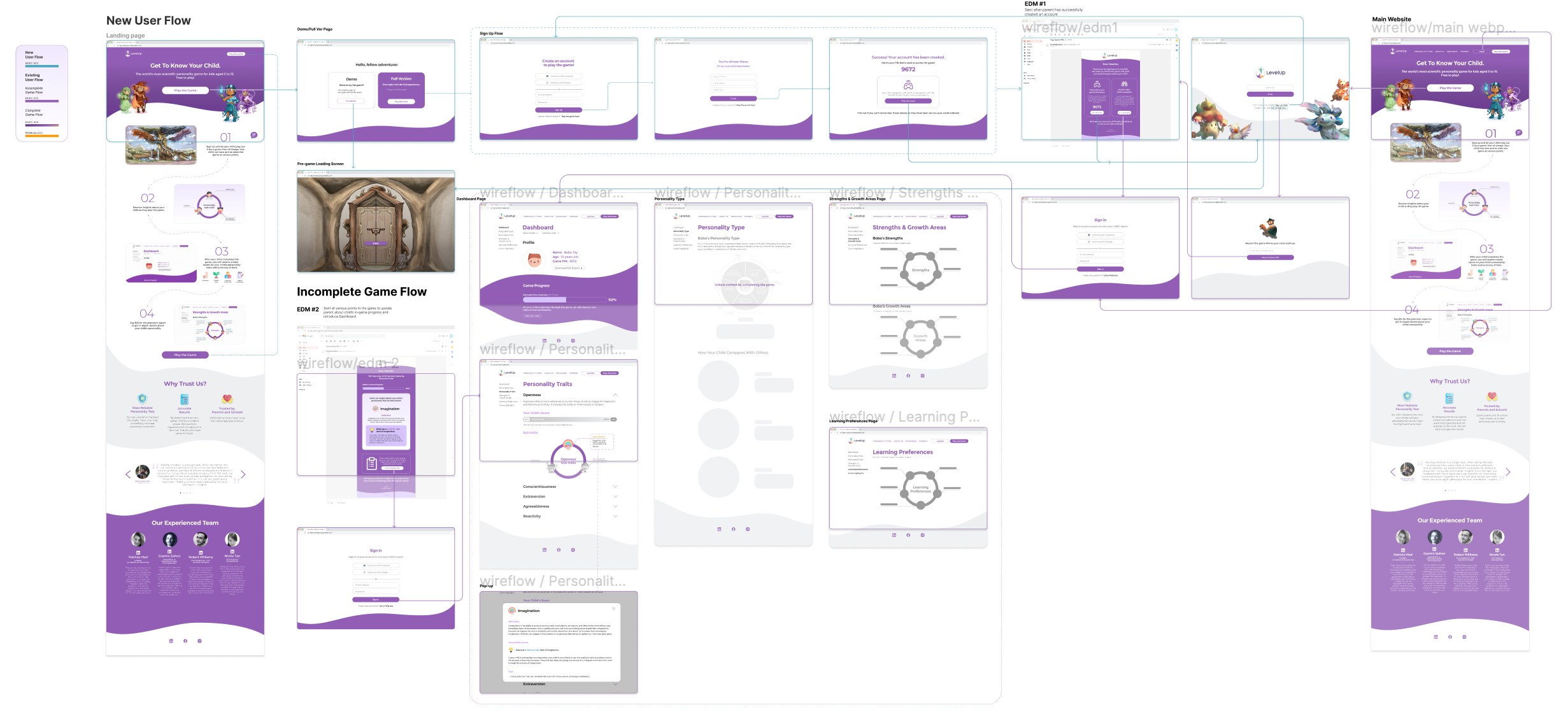
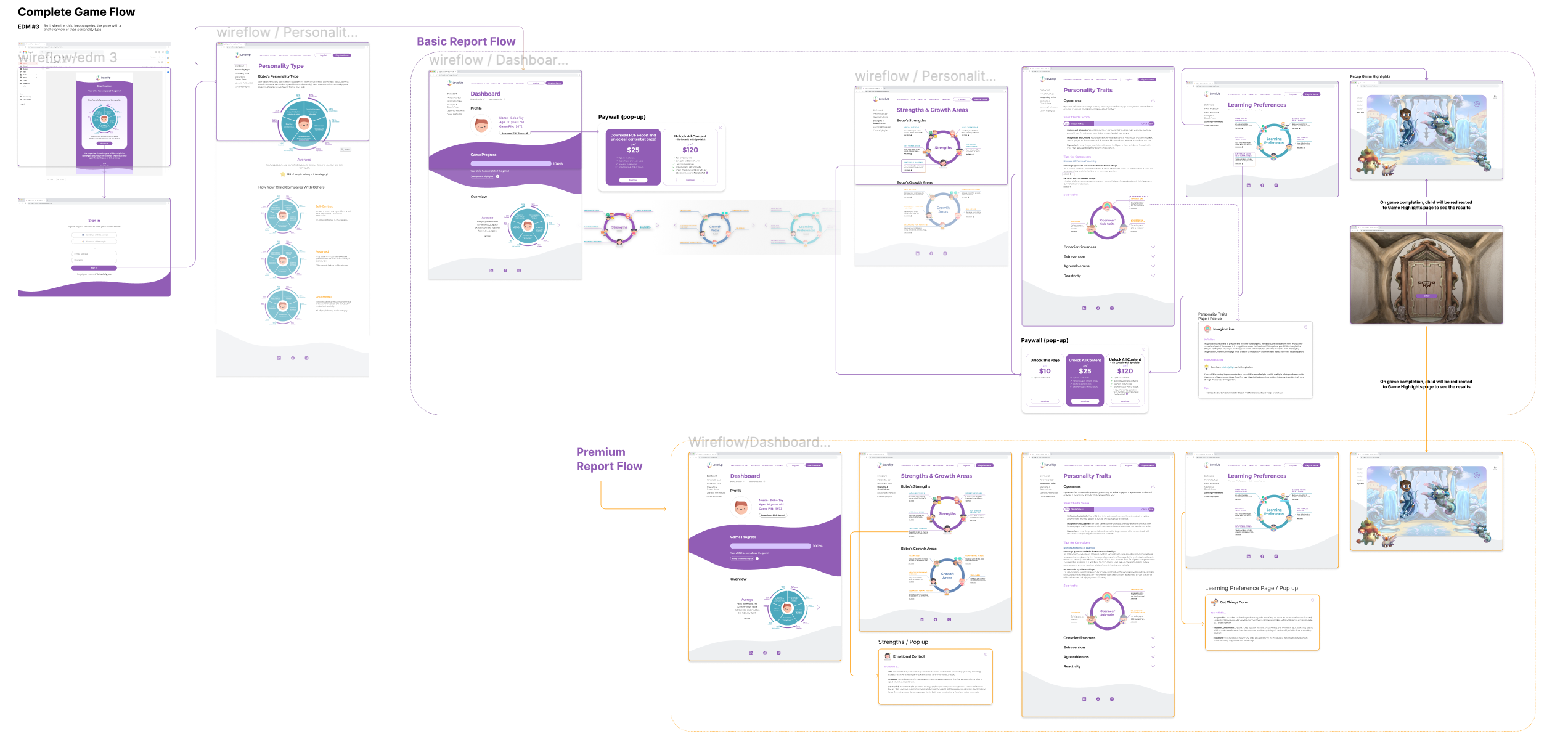
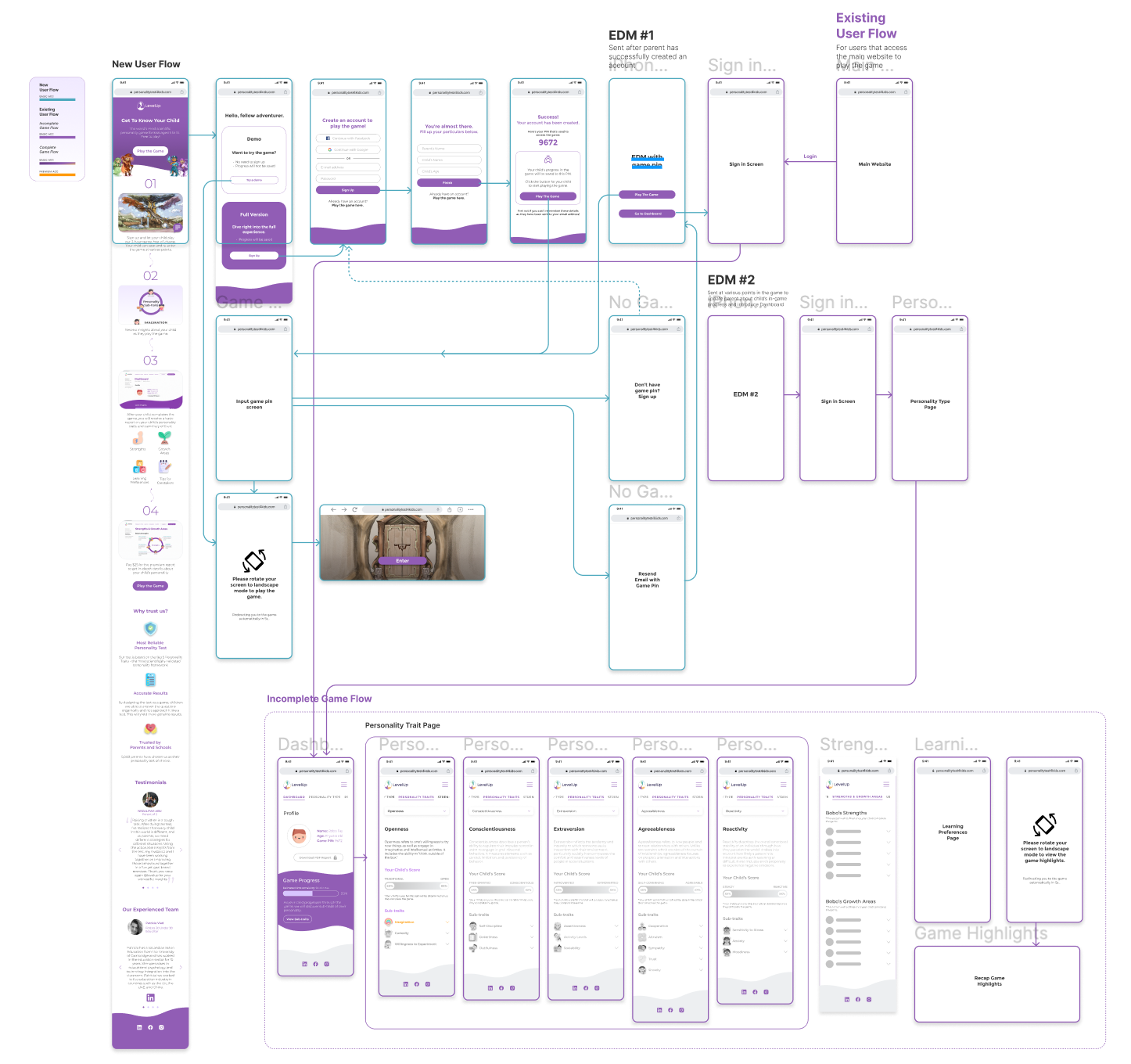
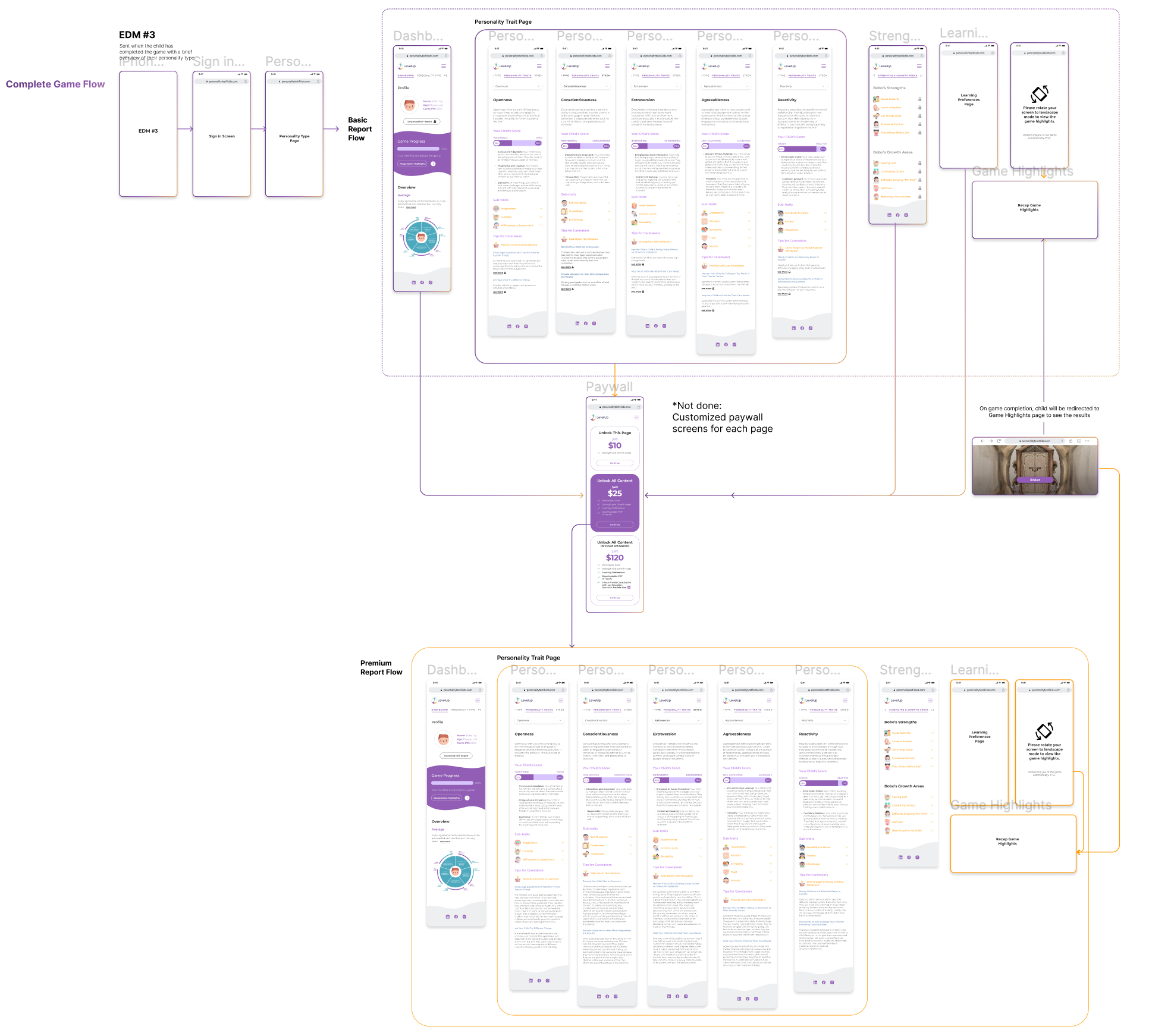
Wireflow
Website
Mobile
07
User Testing
We’ve conducted 2 rounds of 5 x 45 mins usability testing on Mid-fi and Hi-fi prototype through a mix of remote and face-to face sessions. Our aim is to test the iterated prototype, obtain feedback and identify any new usability problem. In total, 2 rounds of iterations were made.
Findings & Iterations
Changes Made
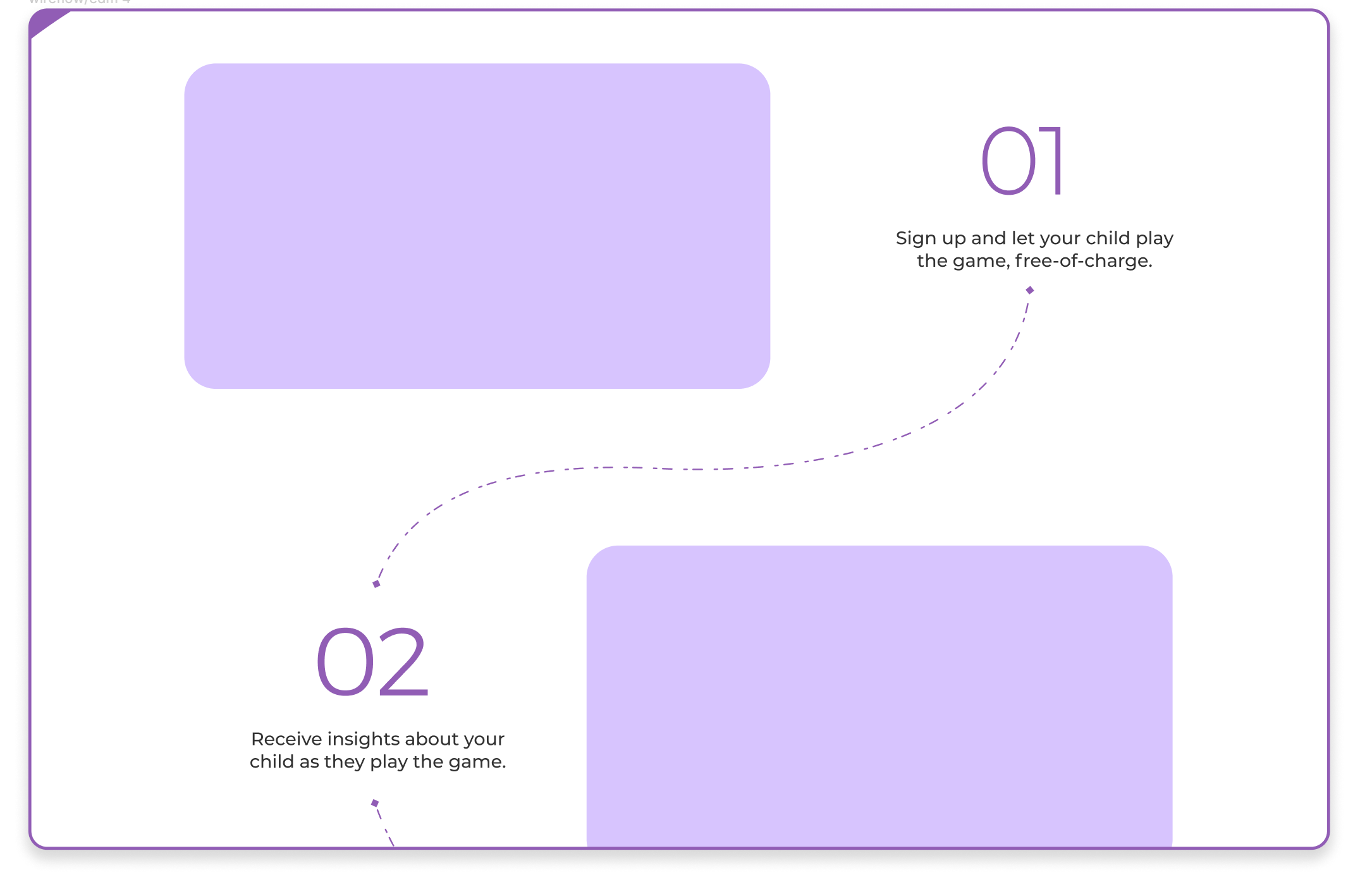
- Edited hero text to be action-driven
- Foregrounded that game is free to play
- Highlighted value proposition of LevelUp being backed up by the most validated personality framework
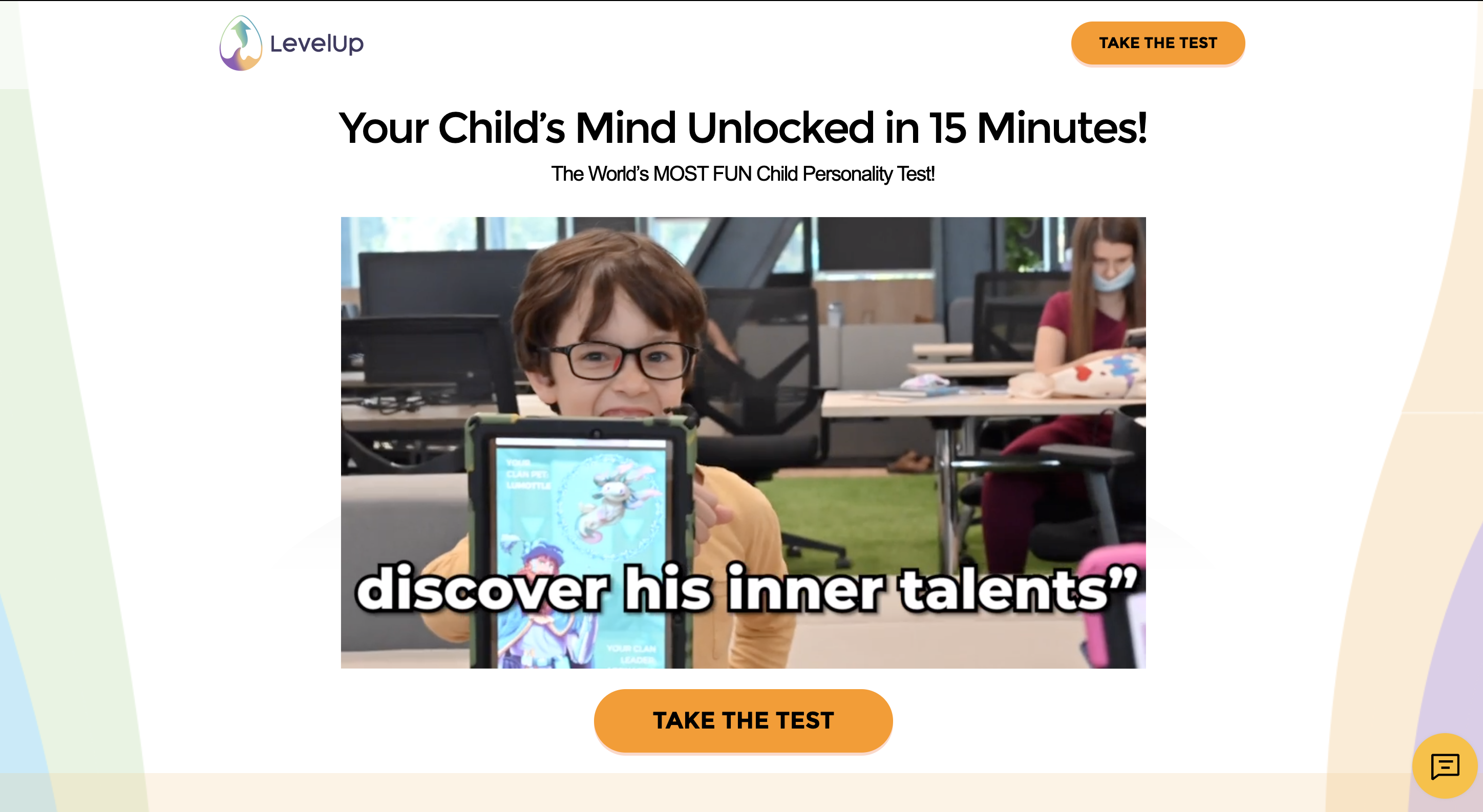
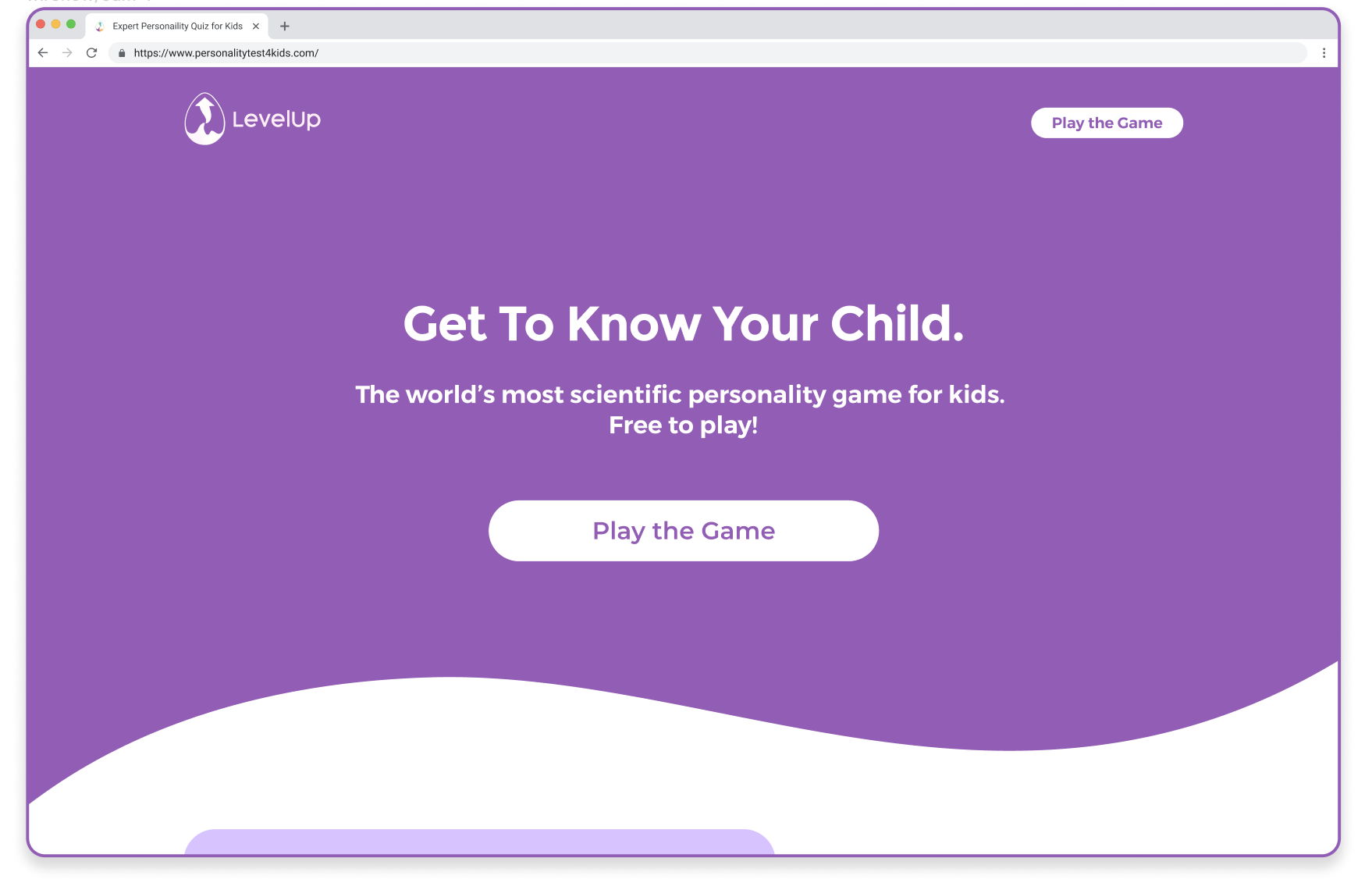
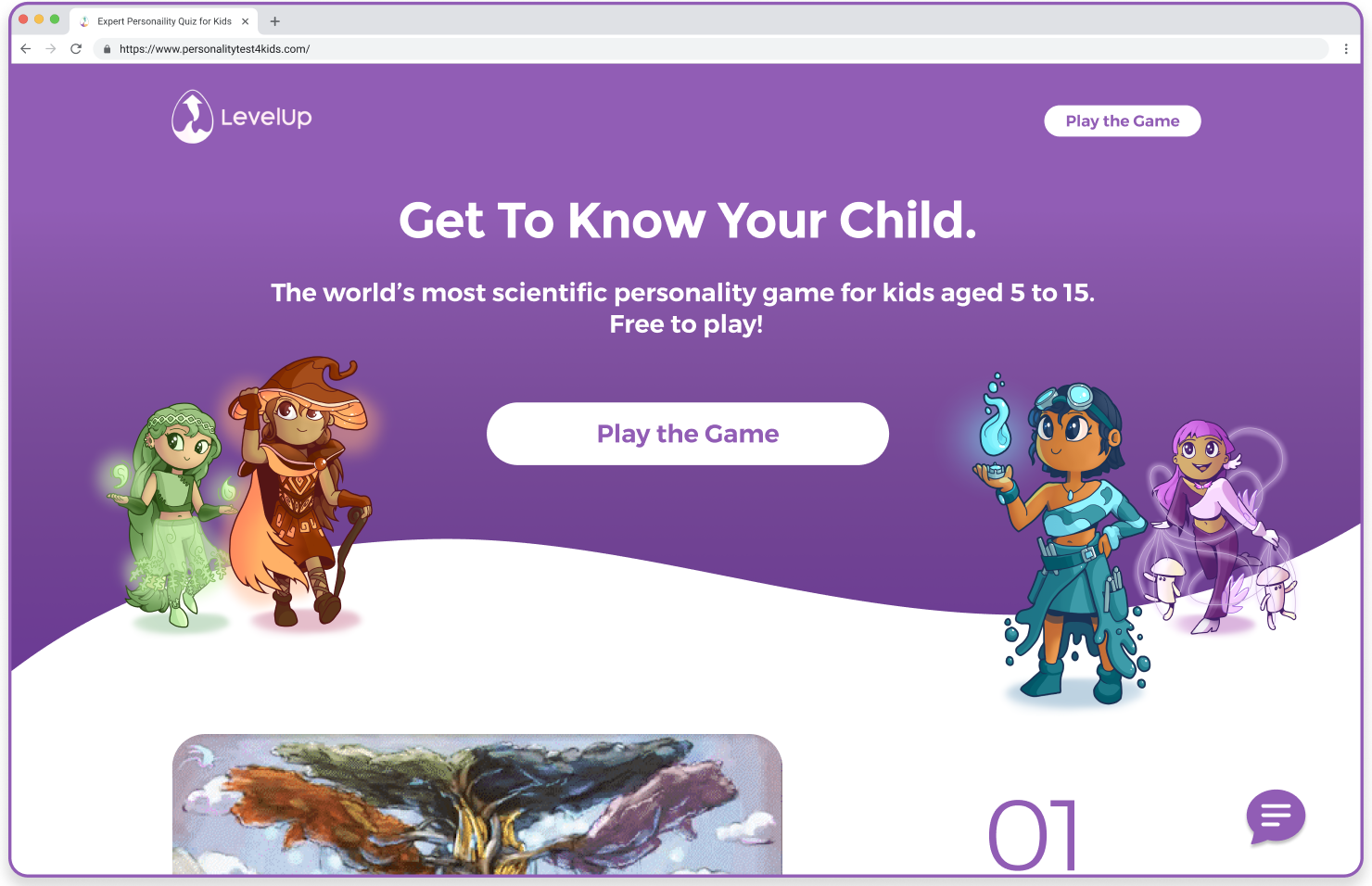
User Feedback on Mid-fi Prototype
- Unable to get a sense of game or test results from video
- Unclear on the game look and feel from the flow
- Thought they had to pay before playing the game
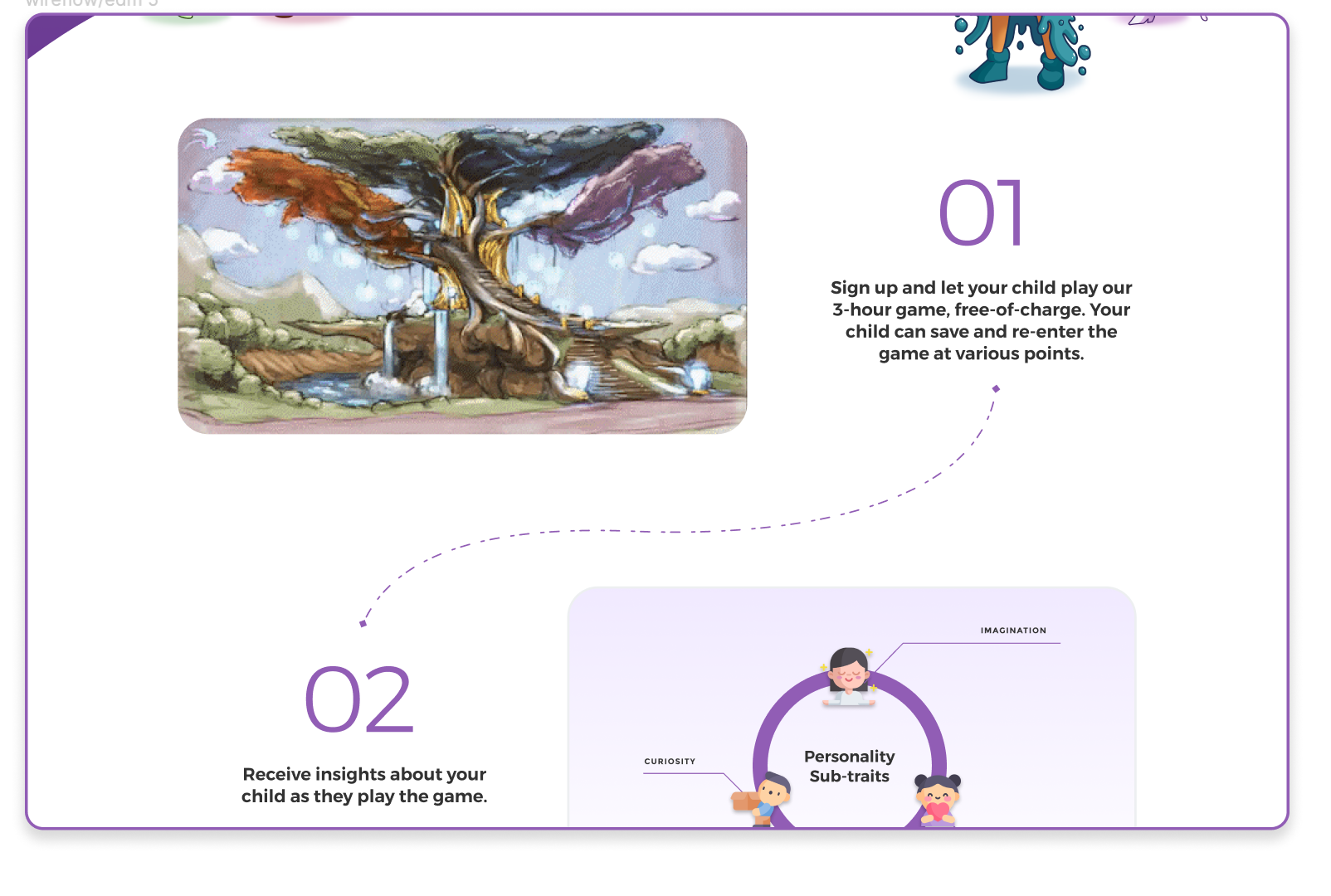
Usability Test Findings after iteration
- Finds that flow is clear
- Wants to know upfront how much premium report costs
- Wants to know game duration
- When informed of duration, most were not willing to invest the time
08
Final Product
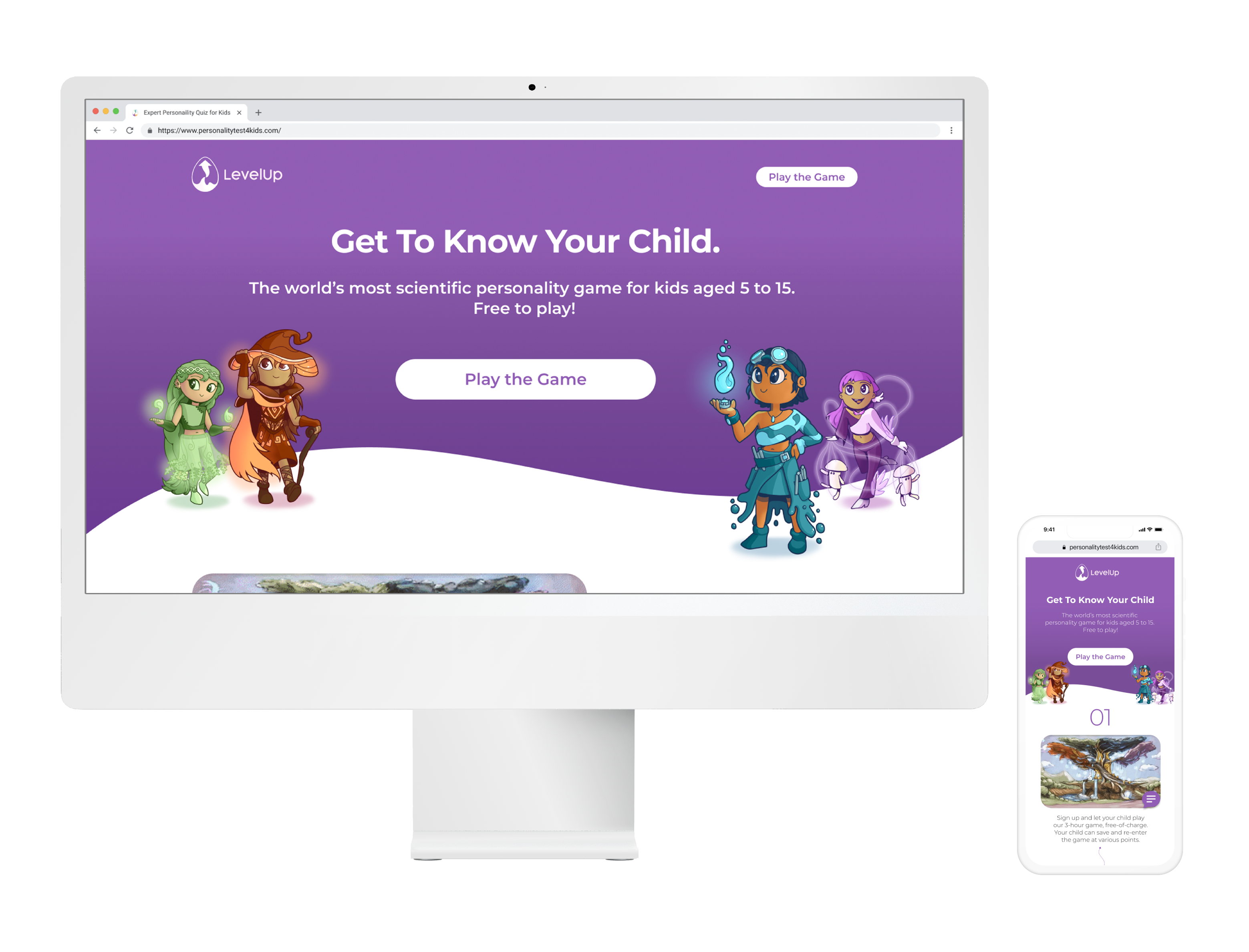
The old website can be found here: https://www.personalitytest4kids.com/
Below is the final prototype, feel free to click in and play around ~
Flow 1 - New Users Flow
Flow 3a - Users with Incomplete Game Flow
Flow 4 - Complete Game Flow (with users logged in)
Further Food for Thought
︎
Based on User Feedback
Game Duration
- Most parents have expressed concerns regarding 3-hour duration
- Being able to save and re-enter game has helped mitigate issue somewhat
- We suggest adding in-game screen time reminders such as a pop-up at the 1-hour mark to prevent children from playing the game for the next 24h OR simply to remind them to take breaks.
- However, screen time limits vary across age groups.
- For children aged 5: no more than 1h per day
- For children aged 6-15: no more than 2h per day

‘Social Butterfly’ Label (under Strengths)
- 4 parents perceived the label to have negative connotations as it means their child has superficial relationships
- This may only be perceived as such in local context
Ambiguity over how parents can benefit from knowing child’s personality
- On landing page, parents are unsure how the personality test results can benefit them
- May need to include marketing copy on this aspect
End.